Cardamom: an ancient spice at the heart of perfumery
Fresh, radiant and refined, cardamom is one of the oldest spices known to humanity. Used since Antiquity for its aromatic and medicinal virtues, it has become a key ingredient in fine and niche perfumery, where it brings brightness, elegance and character.
Origin and producing countries
The cardamom used in perfumery mainly comes from green cardamom (Elettaria cardamomum). It is cultivated in tropical, humid regions, notably:
-
India (Kerala, Karnataka)
-
Guatemala (the world’s leading exporter)
-
Sri Lanka
-
Tanzania
These regions offer ideal growing conditions: constant warmth, rich shaded soils and abundant rainfall.
Cultivation and harvesting
Cardamom grows on a perennial plant from the ginger family. The green pods are harvested by hand, just before full maturity, to preserve the aromatic intensity of the seeds.
Harvesting is delicate and time-consuming. Each capsule is then carefully dried, a crucial step to fix the fresh, spicy olfactory profile of the raw material.
Extraction of cardamom in perfumery
In perfumery, cardamom is used almost exclusively in the form of:
-
essential oil, obtained by steam distillation of the seeds
This method produces a clear, powerful and highly diffusive essence, capturing the full aromatic and spicy character of cardamom.
Olfactory profile and scent
Cardamom reveals an immediately recognisable scent:
-
fresh
-
green
-
spicy
-
lightly citrusy
-
subtly camphorated
It lies at the crossroads between freshness and warmth, making it a particularly valuable note in perfume composition.
In perfumery, it is most often used as a top or heart note, bringing lift and radiance to the fragrance structure.
Preferred olfactory pairings
Cardamom blends beautifully with many olfactory families:
-
Precious woods: cedar, sandalwood, guaiac wood, oud
-
Citrus fruits: lemon, orange
-
Warm spices: cinnamon, clove, saffron
-
Resins and ambers: amber, labdanum, vanilla
-
Powdery florals: iris, violet
It adds depth, elegance and modernity to woody, oriental and spicy accords.
The role of cardamom in perfume composition
In olfactory creation, cardamom plays several essential roles:
-
structuring the opening of a fragrance
-
providing an elegant spicy freshness
-
creating a smooth transition between citrus notes and woods
-
reinforcing the signature of niche and character-driven perfumes
It is an ideal raw material for contemporary, unisex and refined compositions.
Cardamom in our creations
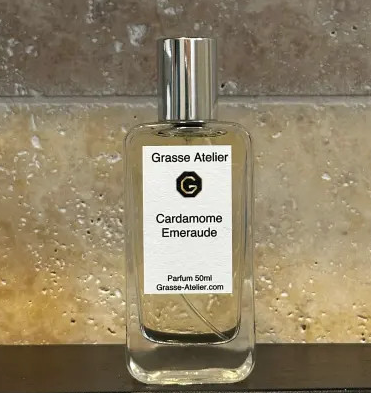
Cardamom Émeraude
(Green cardamom, Precious woods, Subtle floral accords, Amber)
In Cardamom Émeraude, green cardamom shines from the very first notes. Wrapped in precious woods and delicate florals, it gradually melts into a warm amber base. A luminous, elegant and deeply refined composition.
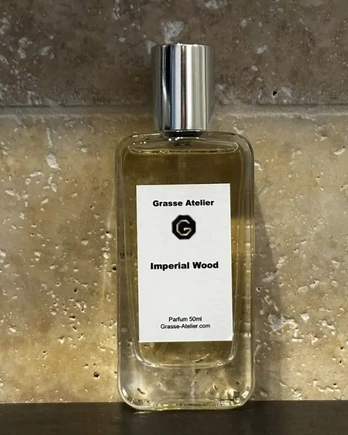
Imperial Wood
(Green cardamom, Lemon, Clove, Orange, Cinnamon, Saffron, Cedar, Guaiac wood, Oud, Patchouli, Vanilla, Amber)
Imperial Wood unveils an intense and spicy cardamom, enhanced by citrus fruits and warm spices. The rich, deep woody heart is built around noble materials such as oud and guaiac wood, creating a powerful and majestic fragrance.
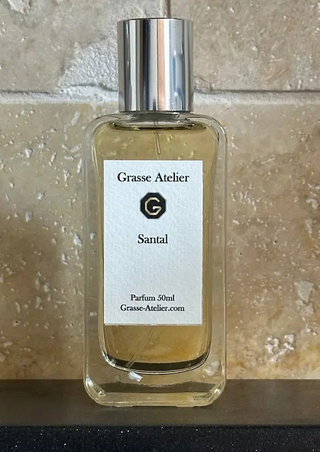
Santal
(Green cardamom, Iris, Violet, Noble woods, Cedar, Amber, Labdanum, Leather, Sandalwood)
In Santal, green cardamom brings a subtle freshness to a powdery and woody accord. Iris and violet blend with noble woods and sandalwood, creating a sensual, enveloping and highly elegant composition.
A rare and precious spice, cardamom is an essential raw material in contemporary perfumery. Fresh, spicy and refined, it enhances woody and oriental compositions with a distinctive and memorable olfactory signature.
Thanks to its aromatic richness and versatility, cardamom continues to inspire perfumers and captivate lovers of characterful fragrances.